The Rise of Plant-Based Milk in Coffee: A Brew Worth Exploring
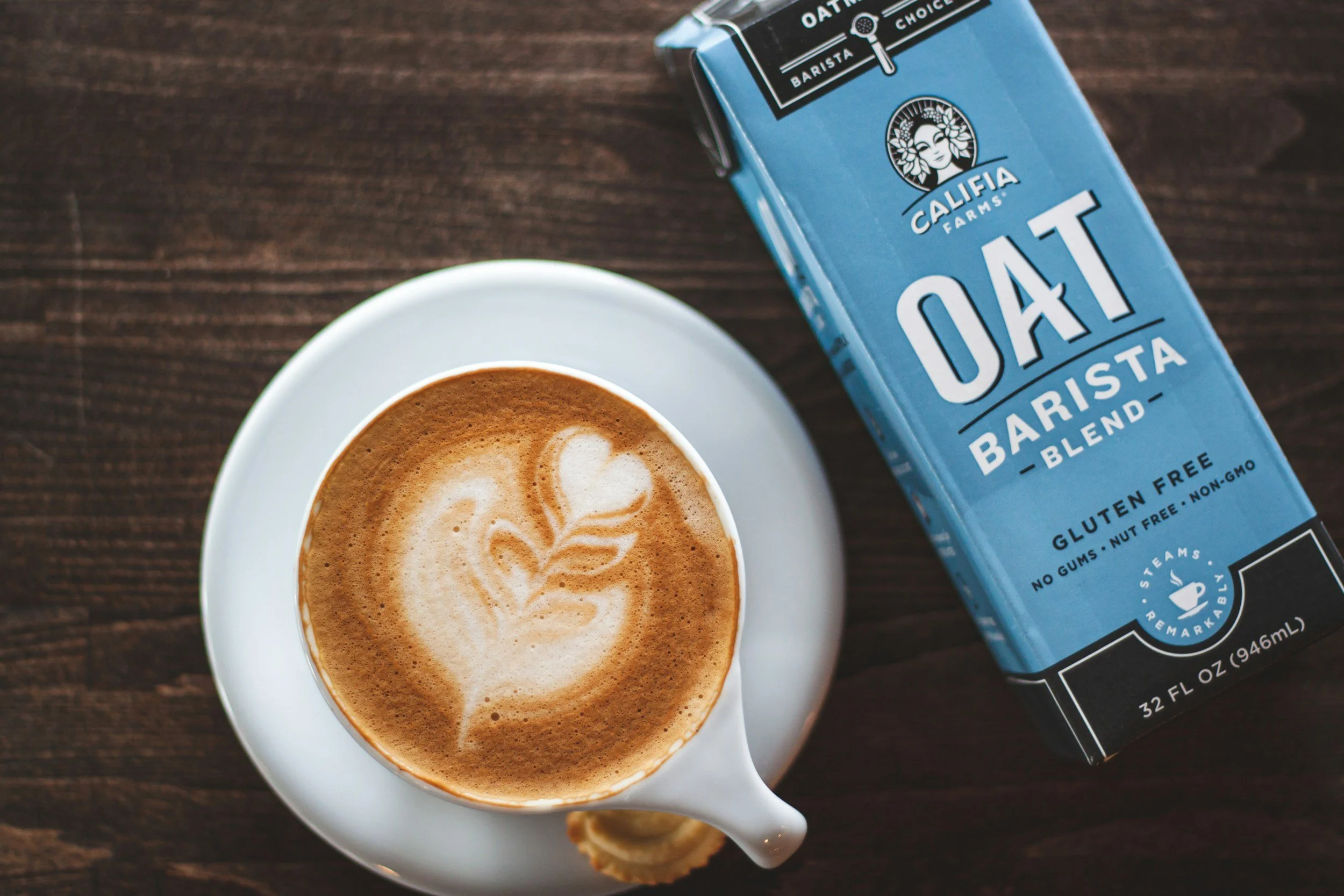
Working in a customer driven environment, we’ve seen the development of coffee over the years. The daily cup of coffee has grown with a demand for sustainable, health-conscious, quality based beverages. With the back bone of this development being alternative plant-based milk options.
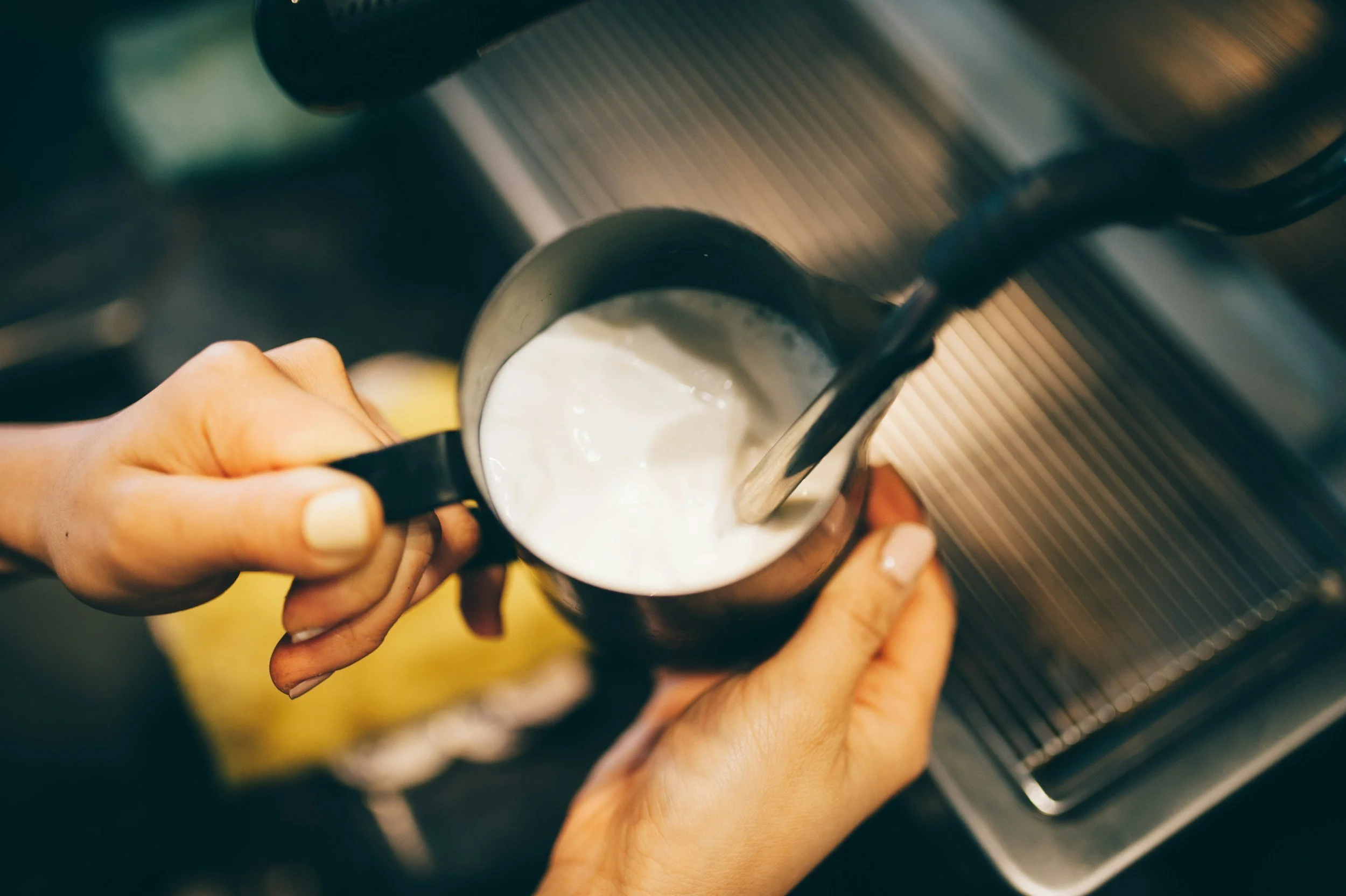
This leads to a barista adapting their understanding to ensure that they create beverages that are tasty, well steamed and yet still look beautiful. Understanding plant-based alternatives becomes part of barista training sessions, not just a nice to have, but crucial for everyone working behind the bar.
In this article, we'll dive into why alternative milks exist, highlight their benefits, compare popular options and their differences—especially in a professional coffee shop setting—and address the price premium often associated with them. If you're searching for the best plant-based milk for coffee, read on to discover how these alternatives are revolutionizing your brew.
Why Plant-Based Milks Exist: Meeting Modern Needs
Plant-based milks aren't a new invention—they've been around for centuries in various cultures. Almond milk, for instance, dates back to the Middle Ages in the Mediterranean, where it was used as a dairy substitute during Lent. Soy milk has roots in ancient China, where it was derived from soybeans as a nutritious beverage. The surge in popularity for plant-based milk in coffee, however, stems from 21st-century shifts in health, ethics, and environmental awareness.
One primary driver is lactose intolerance and dairy allergies, affecting up to 68% of the global population according to the NIH. For many, traditional cow's milk causes digestive discomfort, bloating, or worse. Plant-based alternatives provide a creamy texture without the lactose, allowing everyone to enjoy a frothy latte in coffee shops. Veganism and vegetarianism have also fueled demand; with the global vegan population growing by 600% in recent years, consumers seek options that align with animal-free diets.
Environmental concerns play a huge role, too. Dairy farming contributes significantly to greenhouse gas emissions—about 3.4% globally—through methane from cows and land use for feed. Plant-based milks generally have a lower carbon footprint; for example, producing one litre of almond milk emits about 0.7 kg of CO2 equivalents, compared to 3 kg for dairy milk. Health trends, like the rise of wellness movements and clean eating, have positioned these milks as "better-for-you" choices, often fortified with vitamins and free from hormones or antibiotics found in some dairy.
In the coffee industry, these alternatives exist to cater to diverse palates and lifestyles. Coffee shops like Starbucks and independent roasters have embraced them to attract a broader customer base, from eco-conscious millennials to health-focused boomers. Baristas now require specialised coffee training to handle these milks effectively, ensuring consistent quality in every drink.
The Benefits of Plant-Based Milk in Your Coffee
Switching to plant-based milk for coffee inside cafes offers a trifecta of advantages: health, environmental, and sensory benefits—particularly valuable for baristas and coffee shops aiming to deliver exceptional experiences.
From a health perspective, many plant-based options are lower in calories and saturated fats than whole dairy milk. Oat milk, for example, provides beta-glucans, a soluble fibre that supports heart health by lowering cholesterol. Almond milk is rich in vitamin E, an antioxidant that promotes skin health, while soy milk packs plant-based protein comparable to dairy. These milks are often fortified with calcium, vitamin D, and B12, making them nutritious swaps for those avoiding animal products. For coffee lovers watching their weight, unsweetened varieties can cut calories without sacrificing creaminess.
Environmentally, as mentioned, plant-based milks require fewer resources. Water usage varies—almond milk is water-intensive (about 1,000 liters per liter produced), but oat and soy milks use far less, around 48 and 28 liters respectively. They also demand less land, reducing deforestation linked to dairy feed crops. By choosing these in your coffee, you're supporting sustainable farming practices that could help mitigate climate change.
Sensory benefits are where plant-based milks shine in coffee, especially in professional settings. They add unique flavors that complement different roasts: nutty almond enhances medium blends, while creamy coconut brings tropical notes to iced coffees. Frothing capabilities vary, but many (like oat) create stable microfoam ideal for latte art, rivalling dairy and allowing baristas to showcase their skills. This variety encourages experimentation, turning a routine cup into a personalized ritual. In marketing terms, it's about empowerment—giving consumers control over their brew while aligning with values like sustainability.

Exploring Options: Types of Plant-Based Milk and Their Differences
The plant-based milk aisle is diverse, with options tailored to different coffee styles—crucial knowledge for baristas during coffee training. Here's a comparison of popular ones, focusing on taste, nutrition, frothing, and coffee compatibility in a coffee shop environment.
Almond Milk: Made from ground almonds and water, it's light and nutty with a subtle sweetness. Nutritionally, it's low-calorie (30-50 kcal per cup) but low in protein (1g). It froths decently for cappuccinos but can separate in hot coffee if not barista-blended. Best for: Light roasts or iced lattes. Drawback: Higher water use in production.
Soy Milk: Derived from soybeans, it's creamy with a mild, beany flavor that pairs well with bold espressos. High in protein (7g per cup) and isoflavones for bone health, it's a nutritional powerhouse. Excellent frothing—stable and silky for flat whites. Best for: Traditional coffee drinks. Drawback: Some find the taste overpowering; opt for unsweetened.
Oat Milk: Crafted from oats and water, it has a naturally sweet, oaty profile that mimics dairy closely. Medium calories (120 kcal) with good fiber (2g). It froths exceptionally well, creating creamy foam ideal for intricate latte art in coffee shops. Best for: Any coffee, especially lattes. Drawback: Higher carbs, not ideal for low-carb diets.
Coconut Milk: From coconut flesh, it's rich and tropical with a hint of sweetness. Higher in fats (healthy MCTs) at 50-60 kcal, low protein. Froths okay but can be watery; full-fat versions work better. Best for: Flavored coffees or Vietnamese-style. Drawback: Strong flavor may clash with subtle roasts.
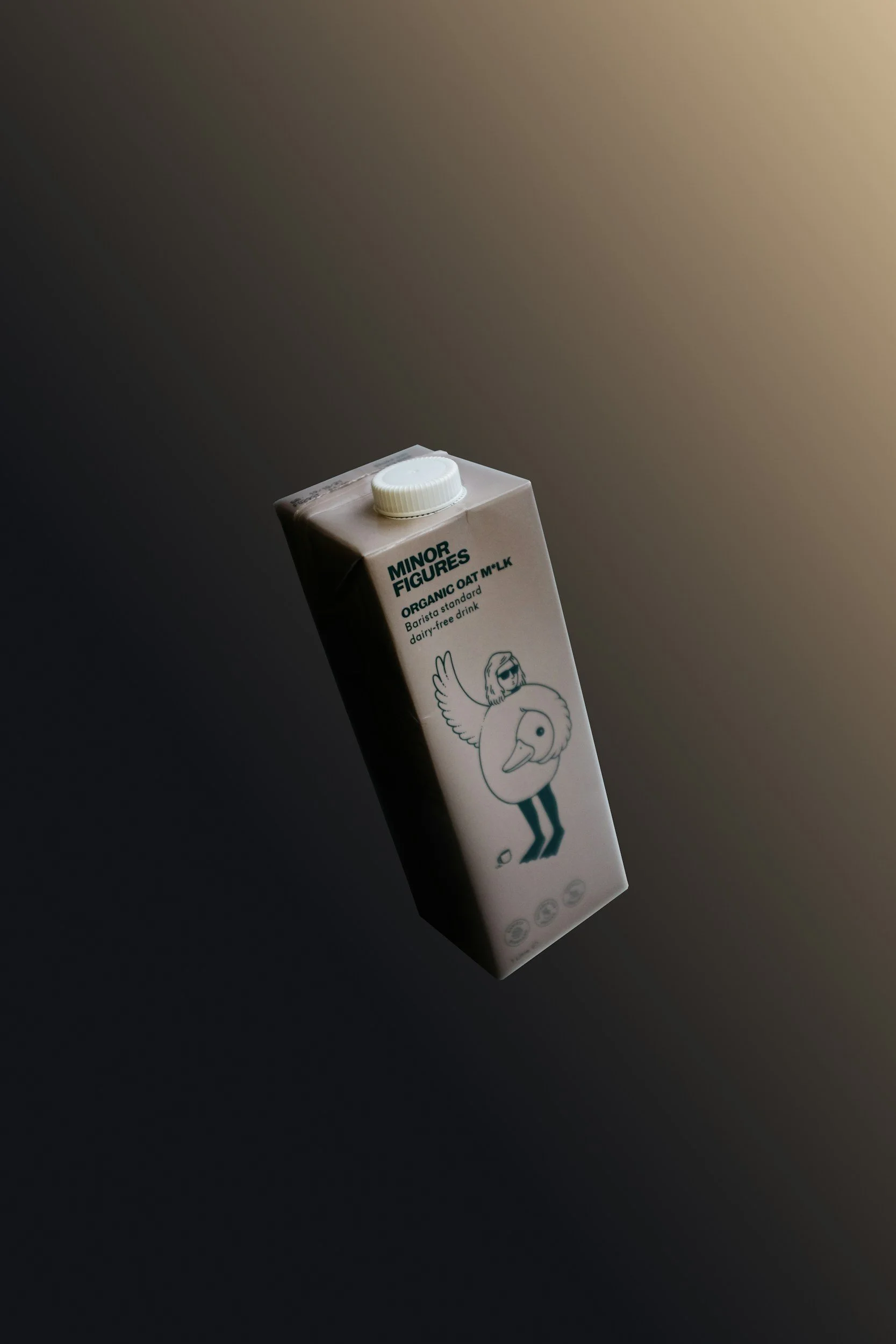
Differences boil down to source (nut, grain, legume), nutrition (protein vs. fiber), and performance in coffee (frothing, stability, heat tolerance). Baristas know that "barista editions" of these milks are specially formulated with added fats, emulsifiers, and stabilizers for better steaming and foam stability—essential for high-volume coffee shops.
The Price Premium: Why Plant-Based Milk Costs More in Coffee
You've likely noticed the upcharge for plant-based milk in coffee shops. Why the increase? It's not arbitrary; several factors contribute, impacting both baristas and customers.
Production costs are higher for plant-based milks. Sourcing organic almonds, oats, or soy involves specialised farming, often with lower yields than dairy. Processing—grinding, blending, fortifying—requires advanced facilities to ensure shelf stability and creaminess suited for professional use. Supply chain logistics add up, especially for imported ingredients like coconuts from Southeast Asia.
Demand dynamics play a role too. With plant-based milk sales surging 20% annually, suppliers charge premiums for quality barista blends. Coffee chains invest in R&D for custom formulations, like Oatly's barista edition, passing costs to consumers. Economies of scale favor dairy, subsidised in many countries, while plant-based options lack similar support.
Environmental certifications (organic, fair-trade) increase prices but appeal to conscious buyers. In coffee shops, the surcharge covers waste—plant milks can spoil faster—and additional barista training on handling them to prevent splitting or poor foam.

Conclusion: Brew a Better Future with Plant-Based Milk
From coffee's Ethiopian origins to today's innovative alternatives in bustling coffee shops, plant-based milk for coffee represents progress. They exist to meet health, environmental, and ethical needs inclusively, offering benefits such as nutrition and sustainability. With options from almond to oat, each brings unique differences to enhance your brew—mastered through dedicated barista training and programs like SCA Barista Courses. Yes, there's a price increase due to production and demand, but it's an investment in a greener, more versatile cup.
As a coffee industry insider, I encourage you to experiment—whether behind the bar or at home. Your perfect latte awaits, complete with beautiful art from a skilled barista. For more tips on the best plant-based milk for coffee or coffee training resources, follow us. Cheers to sustainable sipping!