Understanding the Craft and the Cost: The Ultimate Guide to Coffee Excellence Cafes
In the heart of South Africa—from the bustling streets ofJohannesburg to the tourist-heavy promenades of Cape town —the hospitality industry is more than just a service; it’s an experience. For a local cafe to thrive in 2026, serving a "good cup of coffee" is no longer the ceiling; it is the floor.
To achieve true sustainability and profitability, businesses must focus on advanced barista training, technical precision, and management systems that protect the bottom line. This guide explores the essential coffee skills required to elevate your brand and the operational secrets every cafe manager needs to know.
1. The Science of the "Golden Ratio" and Extraction
The foundation of all barista training starts with understanding extraction science. Many home enthusiasts and even some working professionals rely on "eyeballing" their measurements. However, specialty coffee demands the Golden Ratio.
For most brewing methods, a ratio of 1:2 (1 gram of coffee to 2 grams of water) is the industry standard for a balanced profile in your espresso.
Under-extracted (Sour/Salty): If the water doesn't pull enough flavor, you're left with a sharp, unpleasant acidity.
Over-extracted (Bitter/Ashy): If the water stays in contact with the grounds for too long or at too high a temperature, it pulls out harsh, bitter tannins.
The Solution: Use digital scales for every pour. Consistency is the only way to ensure that the tourist visiting your cafe today gets the exact same quality experience next season.
2. Milk Science: From Bubbly Foam to "Wet Paint"
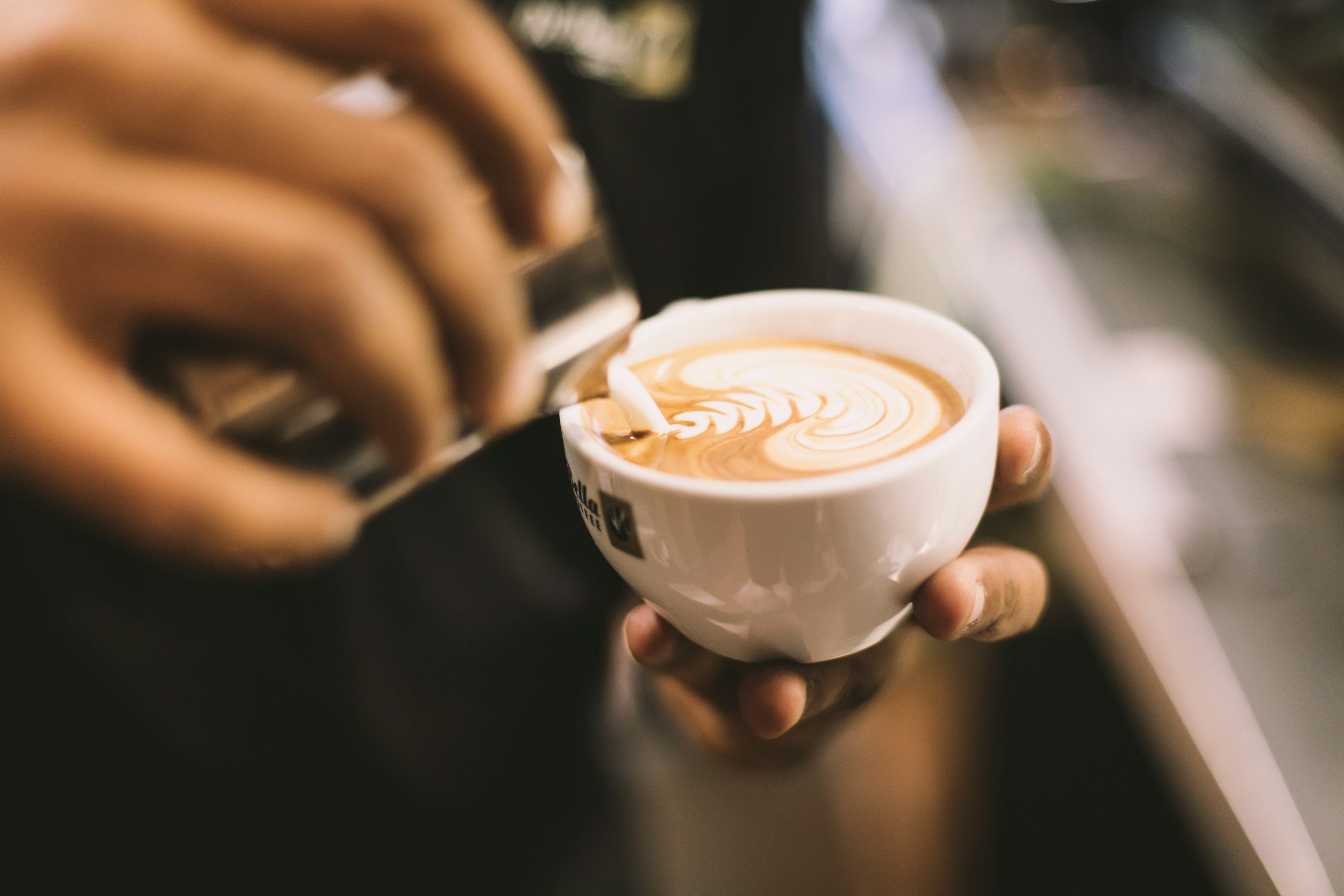
Coffee skills are often judged by the visual—latte art. But the secret to great art is the science of the milk. Achieving the "wet paint" texture (microfoam) is a result of protein manipulation.
Aeration: Introducing air only at the beginning (the "paper tearing" sound).
Integration: Creating a vortex to polish those bubbles into a silky sheen.
Temperature: Stopping at 60-65°C. Anything hotter denatures the milk proteins and destroys the natural sweetness, resulting in a flat, scalded taste.
For cafe managers, ensuring staff understand milk science reduces waste and improves customer satisfaction significantly.
3. Stopping the "Profit Leaks": Operational Efficiency
For cafe owners, the "hidden costs" of running a coffee bar can be the difference between profit and loss. Operational excellence is just as important as the brewing itself.
Eliminating Waste
Milk Waste: Over-filling jugs is a common error. By using indexed pitchers and training baristas to steam only what is required, cafes can save thousands of Rand in dairy costs annually.
Dialling-In Waste: Every morning, beans are lost to "guessing" the grind. A structured calibration log allows the morning shift to look at the previous day's settings and hit the "sweet spot" within 1–2 shots.
Inconsistent Dosing: A mere 1g of extra coffee per shot across 200 daily transactions equals 2kg of wasted beans per week. Over a year, that is 100kg of profit sitting in the bin.
4. Equipment Longevity and Preventive Maintenance
A high-end espresso machine is the heart of any cafe, often costing upwards of R100,000. Yet, many businesses treat maintenance as a reactive task rather than a proactive one.
Daily Backflushing: Using specialized detergent to clear oils prevents "rancid" flavors.
Group Head Seals: A R200 seal replacement prevents leaks that can eventually damage the machine’s internal pump (a R15,000+ repair).
Water Filtration: In South Africa, water hardness varies. Without proper filtration, scale buildup will kill your boiler. Managers must schedule filter replacements every 6–12 months.
5. Staff Retention and Professional Growth
The hospitality industry in South Africa faces a high turnover rate. For cafe managers, the solution isn't just higher pay—it’s professional development.
Investing in accredited SCA barista trainings or local expert workshops gives staff a sense of "mastery." A barista who understands the chemistry of a bean and the mechanics of a grinder is 30% faster and 100% more confident. This confidence translates directly into the “hospitality" that tourists expect.
6. Catering to the International Palate
Being a tourism-heavy region, our cafes serve guests from Germany, the UK, the USA, and beyond. Each has different expectations:
Temperature: Many European guests prefer coffee at a lower "sipping" temperature.
Sizing: A "Flat White" in London may be smaller than one in Cape Town.
Efficiency: International travellers often have tight itineraries; a streamlined cafe workflow ensures you capture the "to-go" market without bottlenecking your sit-down guests.
Conclusion: Your Coffee Standards
The journey from a "good cafe" to a "destination cafe" in South Africa requires a commitment to the craft. Whether you are a home enthusiast looking to perfect your pour-over or an owner looking to optimise a multi-staff floor, the path forward is paved with education and precision